
MCPs (Model Context Protocol) Explained
Understanding MCPs: The Future of Educational AI Integration
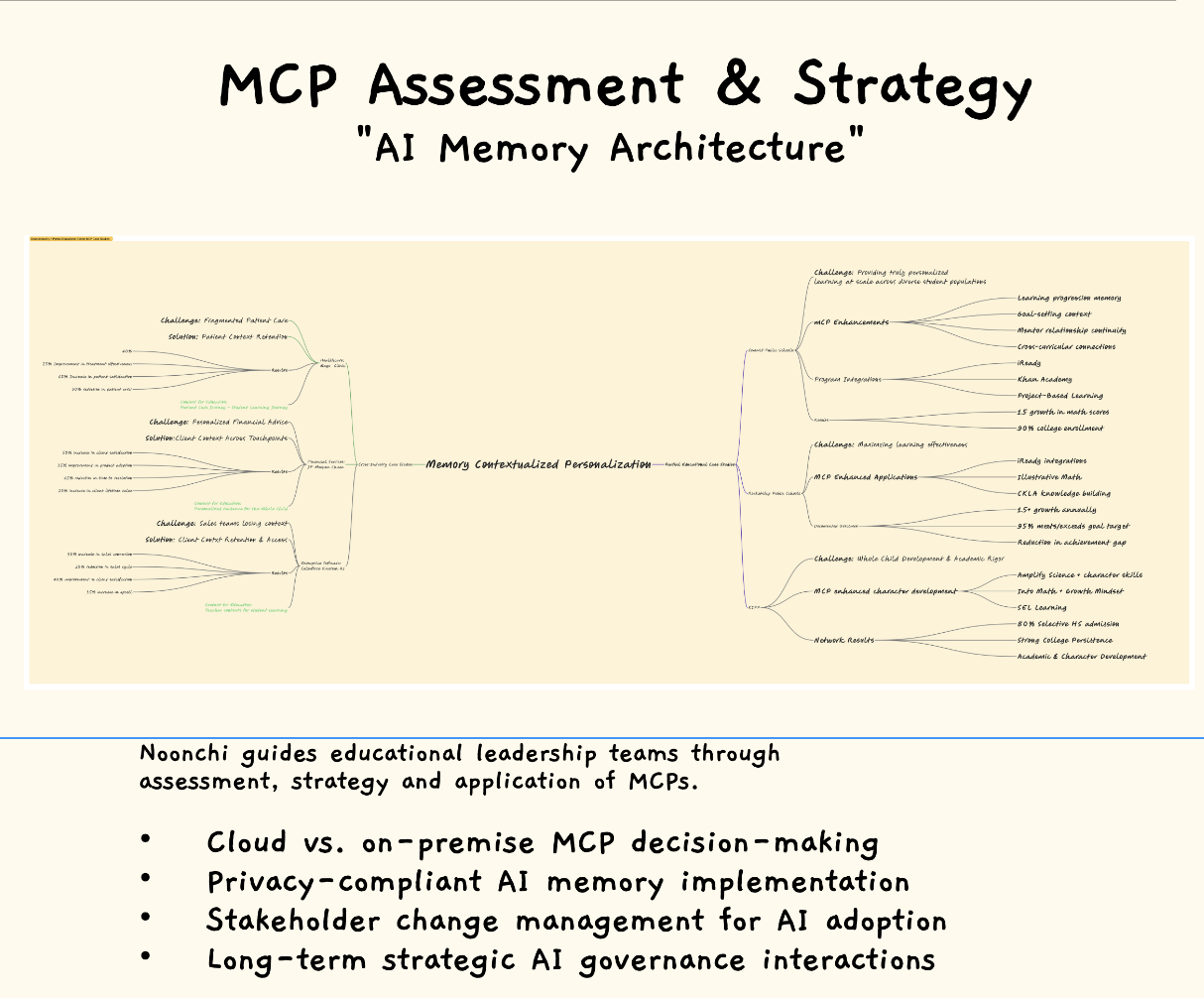
Core MCP Architecture and Components
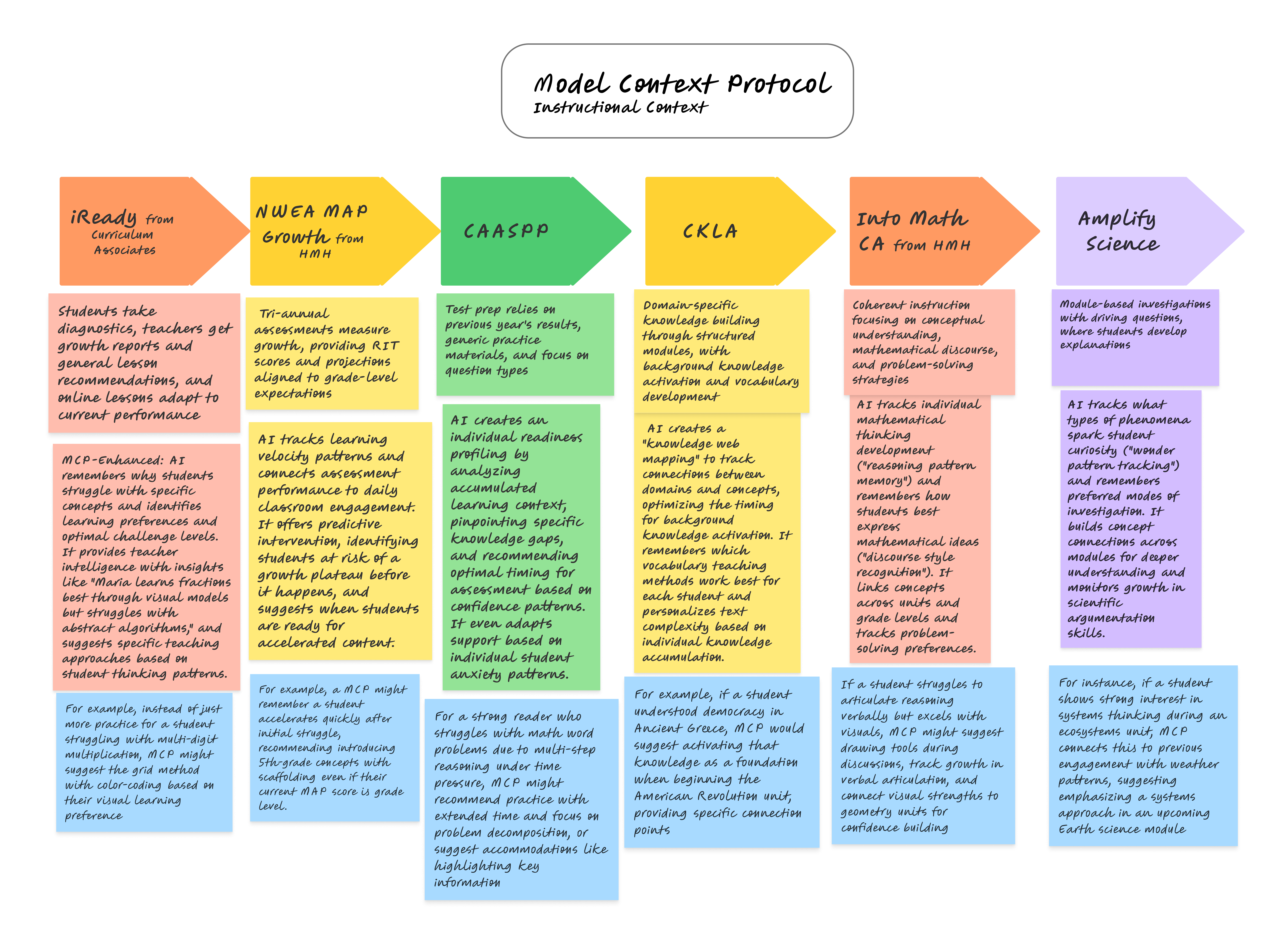
MCPs in Educational Technology and Learning Systems
What are MCPs?
Model Context Protocols (MCPs) are standardized interfaces that enable AI systems to connect with external data sources, tools, and services. Think of them as universal adapters that allow AI models to access real-time information, perform actions, and integrate seamlessly with existing educational infrastructure.
Key MCP Facts:
- Universal Compatibility: MCPs work across different AI models, platforms, and systems
- Real-time Access: Enable AI to access live data from databases, APIs, and tools
- Secure Integration: Provide controlled access to sensitive educational data
- Scalable Architecture: Support both individual classrooms and district-wide implementations
- Open Standards: Based on open protocols that ensure long-term compatibility
How MCPs Apply to Education
1. Personalized Learning Enhancement
MCPs enable AI tutors to access real-time student performance data, learning preferences, and curriculum standards. This creates truly personalized learning experiences that adapt to each student's needs and progress.
2. Administrative Efficiency
Connect AI systems to student information systems (SIS), learning management systems (LMS), and administrative databases. Automate routine tasks like attendance tracking, grade calculations, and report generation while maintaining data security.
3. Curriculum Integration
MCPs allow AI to access current curriculum standards, learning objectives, and assessment frameworks. This ensures AI-generated content and recommendations align perfectly with educational goals and standards.
4. Data-Driven Decision Making
Enable administrators and teachers to access comprehensive analytics through AI interfaces. MCPs provide secure access to student performance data, attendance patterns, and engagement metrics for informed decision-making.
5. Special Education Support
Connect AI systems to Individualized Education Program (IEP) databases and specialized learning tools. This enables AI to provide targeted support for students with diverse learning needs.
Implementation Benefits
For Teachers:
- Automated lesson planning with real-time curriculum access
- Instant access to student progress and learning analytics
- AI-powered assessment creation and grading assistance
- Personalized intervention recommendations
For Administrators:
- Comprehensive district-wide analytics and reporting
- Automated compliance monitoring and documentation
- Resource allocation optimization based on real-time data
- Streamlined communication with parents and stakeholders
For Students:
- Personalized learning paths that adapt to individual progress
- Access to AI tutors with comprehensive subject knowledge
- Real-time feedback and progress tracking
- Engaging, adaptive learning experiences
Getting Started with MCPs
Implementing MCPs in your educational institution requires careful planning and strategic integration. Our team can help you assess your current infrastructure, identify integration opportunities, and implement MCPs in phases to ensure smooth adoption.
Ready to explore how MCPs can transform your educational technology landscape? Contact us to schedule a consultation and discover the possibilities.
MCP Implementation Overview
Watch this video to see how MCPs work in practice and understand their transformative potential for educational institutions.
Learn about Model Context Protocol implementation strategies and real-world applications in education.
Ready to Transform Your Educational Technology?
Discover how MCPs can revolutionize your institution's AI capabilities and create seamless integration across all your educational systems.